Available Course Formats
Choose the learning format that works with your schedule and preferences. All formats provide the same comprehensive instruction across two intensive sessions.

In-Person Group Sessions
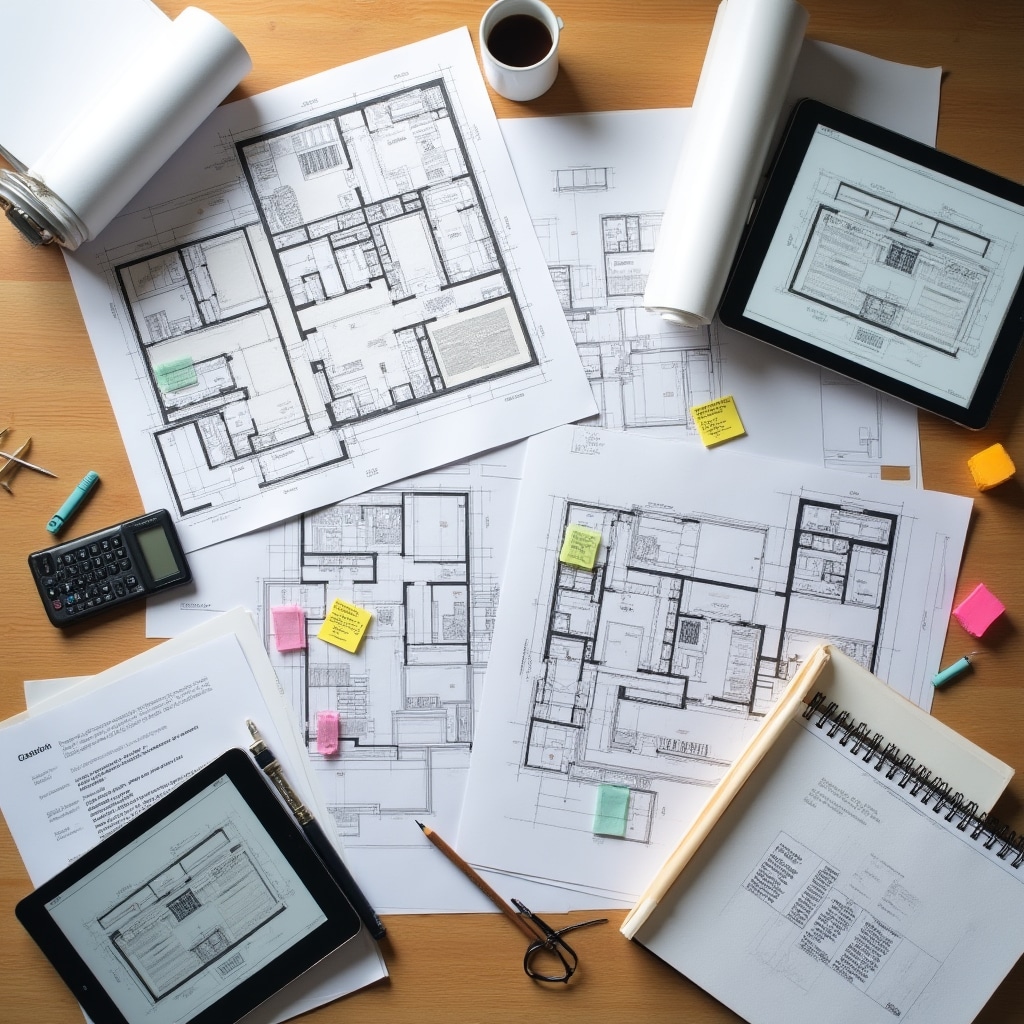
Classroom instruction in Calama with direct hands-on practice using physical plans and documentation. Face-to-face interaction with instructors and fellow participants creates an engaging learning environment.
- Physical plan examination and markup
- Group discussion and shared learning
- Immediate question resolution
- Networking with other participants
- Printed reference materials included
- Practice with actual drawing tools
Live Online Courses
Interactive video sessions where you follow along with digital plans displayed on your screen. Real-time instruction with chat and voice interaction lets you ask questions throughout the course.
- Screen-shared plan examples
- Live instructor interaction
- Digital materials provided
- Learn from any location
- Recorded sessions for review
- Virtual breakout practice groups
On-Site Corporate Training
Courses delivered at your company location for teams requiring blueprint reading skills. Content can be customized to focus on specific project types or documentation formats relevant to your industry.
- Training at your location
- Team skill development
- Industry-relevant examples
- Flexible scheduling
- Customized content focus
- Group rates available
Choosing Your Format
Each format offers distinct advantages depending on your learning preferences, schedule, and location. Understanding these differences helps you select the option that works for your situation.
In-Person Group Benefits
Classroom sessions provide tactile learning experiences. You handle physical plans, use measuring tools, and mark up drawings just as you would when reviewing actual project documentation. This hands-on approach reinforces learning through physical interaction with materials.
Group dynamics create additional learning opportunities. When other participants ask questions, you benefit from hearing those answers. Discussion about different interpretations of the same plan helps you understand multiple valid approaches to reading documentation.
Direct face-to-face instruction allows instructors to observe your work and provide immediate feedback. When you measure a dimension incorrectly or misinterpret a symbol, correction happens in real-time before the error becomes a learned habit.
Online Course Advantages
Live online sessions eliminate travel requirements while maintaining interactive instruction. You participate from your home or office, saving time and travel costs. This format works particularly well for participants outside Calama or those with scheduling constraints that make two-day in-person attendance difficult.
Digital plan display offers some advantages over physical plans. Instructors can zoom into details, highlight specific elements, and overlay annotations that make complex concepts easier to understand. Screen sharing lets everyone see exactly what the instructor sees simultaneously.
Session recordings provide review opportunities after the course ends. When you encounter similar documentation in actual projects, you can reference specific course segments that addressed those plan types or symbols.
Corporate Training Flexibility
On-site corporate training adapts to your team's specific needs. When multiple employees need blueprint reading skills, bringing instruction to your location proves more efficient than sending individuals to separate public courses.
Content customization focuses on documentation types your team encounters regularly. If your company works primarily with industrial facilities, examples can emphasize that building type. If you deal with residential developments, the course can concentrate on that sector.
Team training creates shared understanding within your organization. Everyone learns the same interpretation methods and terminology, improving internal communication about project documentation.

Course Schedule and Duration
Regardless of format, the course covers the same comprehensive content across two intensive sessions. The time investment remains consistent — approximately twelve to fourteen hours of instruction split across two days or sessions.
In-Person Schedule
Classroom sessions typically run from morning through late afternoon on consecutive days. This concentrated format maintains learning momentum while allowing overnight processing of first-day concepts before the second session.
Morning sessions focus on introducing new concepts and demonstrating interpretation techniques. Afternoon sessions emphasize hands-on practice with increasingly complex documentation. Regular breaks prevent fatigue while giving participants time to discuss concepts informally.
Online Session Timing
Live online courses often split into two half-day sessions scheduled a few days apart. This spacing lets you apply first-session concepts to documentation you encounter in your work before returning for the second session. Real-world application between sessions reinforces learning.
Shorter individual sessions work better for online formats where screen fatigue becomes a factor. Breaking instruction into manageable segments maintains engagement and comprehension throughout the course.
Corporate Training Flexibility
On-site corporate courses adapt to your company's operational needs. Sessions can be scheduled around shift patterns, project deadlines, or other business requirements. Some companies prefer intensive two-day formats. Others split training across multiple shorter sessions over several weeks.
This flexibility extends to session timing. Morning, afternoon, or evening sessions can accommodate different work schedules. Weekend training options work for companies that cannot release employees during regular business hours.
Materials and Resources
All formats include comprehensive course materials supporting learning during and after instruction. The specific format of these materials varies by course type while maintaining consistent content quality.
In-Person Materials
Classroom participants receive printed plan sets, specification excerpts, and calculation report samples. These physical materials let you practice markup techniques and annotation methods during the course. You keep all materials for future reference.
Reference guides include symbol dictionaries, specification templates, and interpretation checklists. These printed resources support document review when you return to your regular work.
Online Course Resources
Digital materials include downloadable PDF plan sets, specification documents, and calculation reports. These files work with standard PDF readers, allowing annotation and markup using digital tools.
Online participants also receive access to a course portal containing reference materials, additional practice sets, and recorded session videos. This digital library remains available after course completion for ongoing reference.
Corporate Training Materials
On-site training materials can be customized to include your company's actual project documentation alongside standard course examples. This customization makes learning directly applicable to work you perform regularly.
Corporate courses can deliver materials in print, digital, or hybrid formats depending on your preference and how your team typically works with documentation.
Prerequisites and Preparation
These courses assume no prior technical training or construction experience. The instruction starts with fundamental concepts and builds systematically toward more advanced interpretation skills.
What You Need
For in-person courses, you need only basic materials — something to write with and take notes. All plans, tools, and reference materials are provided. Comfortable clothing suitable for a classroom environment works fine.
Online courses require a computer with reliable internet connection, webcam, and microphone. A larger screen helps when viewing detailed plans, though any standard laptop or desktop works. Basic familiarity with video conferencing software helps, though technical support is available if needed.
Corporate training requirements depend on the chosen format and location. The instructor discusses specific needs during planning conversations.
Helpful Background
While no technical background is required, certain experiences help you apply learning more immediately. If you have purchased property, managed construction projects, or worked in real estate, you likely have context for why blueprint reading matters. This context motivates learning even though it is not necessary for understanding the material.
Comfort with basic mathematics — addition, subtraction, multiplication, and division — helps when working with dimensions and area calculations. The course does not involve complex mathematics, but you do work with measurements and simple calculations.
Registration and Scheduling
Course availability varies by format. In-person and online public courses run on scheduled dates throughout the year. Corporate training schedules by arrangement based on your team's availability.
Public Course Dates
In-person group sessions in Calama typically run monthly. Live online courses run more frequently, often multiple times per month. Current schedules and available dates appear on the contact page, or you can inquire directly about upcoming sessions.
Registration for public courses closes a few days before the scheduled start date to allow material preparation. Early registration ensures your spot in the session you prefer.
Corporate Training Planning
On-site corporate training requires advance planning to coordinate schedules, customize content, and prepare materials. Initial conversations typically occur several weeks before the desired training date. This lead time ensures the course addresses your specific needs effectively.
For teams requiring training for multiple groups, courses can be scheduled in series, training different groups on different dates using consistent content.