Our Teaching Methodology
Blueprint reading is a practical skill. You learn by doing, not by memorizing theory. Our approach focuses on working with real documentation from actual Chilean construction projects.

Structured Learning Path
The course divides into two complementary sessions. The first session covers visual documentation — plans, sections, and elevations. The second session addresses written documentation — specifications, calculations, and surface tables. This separation lets you focus on one aspect at a time while understanding how both work together.
Session One: Visual Documentation
When you look at a floor plan for the first time, it appears as lines and symbols. The first session teaches you to see spaces, relationships, and systems instead. You learn how architects communicate spatial information through standardized drawing conventions.
Floor plans show horizontal organization. You practice reading room layouts, understanding circulation patterns, identifying structural elements, and interpreting dimensions. Walls, doors, windows, and fixtures all have specific representations you learn to recognize immediately.
Section drawings reveal what plans cannot show — vertical relationships and construction assemblies. You learn to read floor-to-floor heights, ceiling treatments, roof structures, and foundation systems. Sections explain how buildings go together in three dimensions.
Elevations complete the visual documentation by showing exterior appearances. You practice identifying facade materials, window systems, roof forms, and architectural details. Elevations connect what you see from outside to what plans and sections show inside.
Session Two: Written Documentation
The second session focuses on documents that accompany drawings. These written specifications and calculations contain critical information about project quality, performance, and compliance.
Surface tables list every space in a project with its area. You learn how different measurement methods produce different numbers — usable area, built area, and total area all mean different things. Understanding these distinctions prevents misunderstandings about actual space.
Technical specifications describe materials, installation methods, and quality standards. You practice reading specification sections, understanding material requirements, and recognizing when specifications seem incomplete or unclear.
Calculation reports from structural and mechanical engineers explain design decisions. You learn to identify key information in these reports without needing engineering expertise — load capacities, safety factors, and system performance criteria.
Hands-On Practice
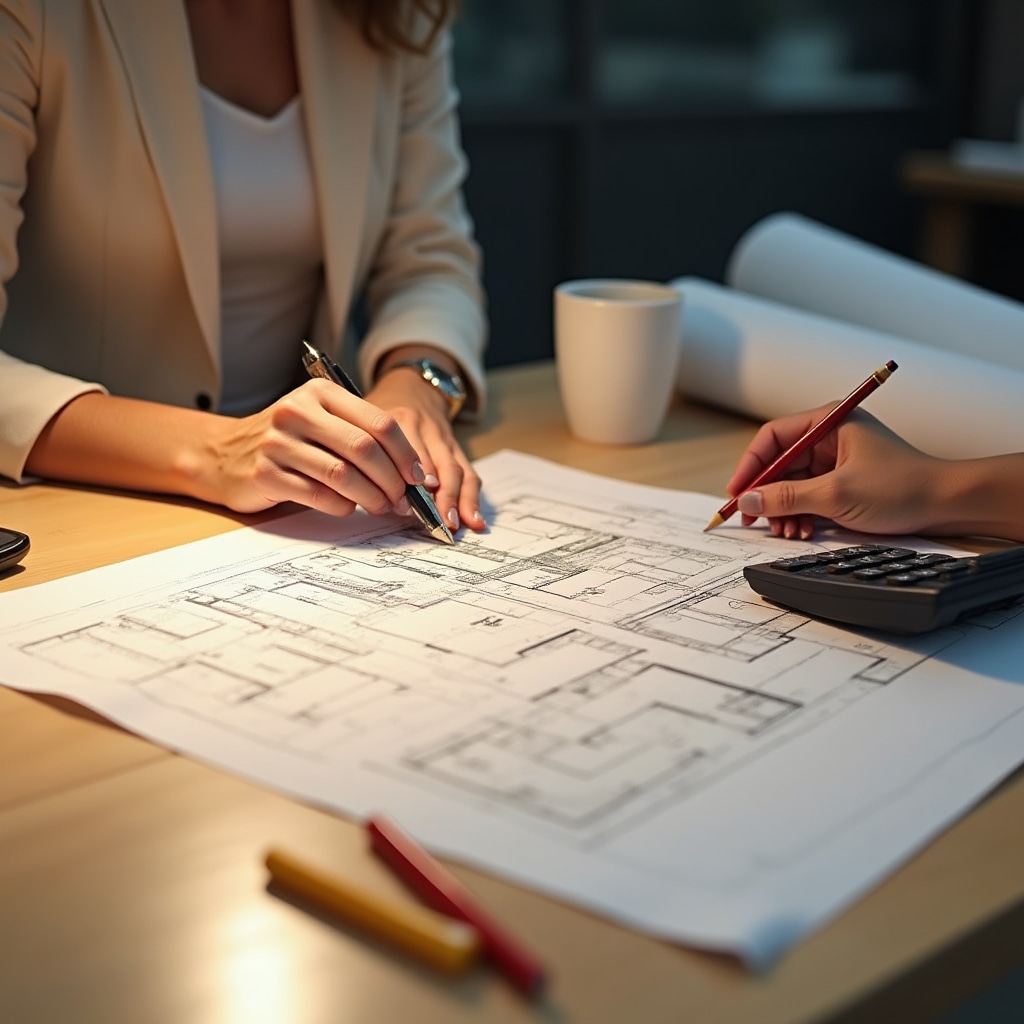
Each concept includes immediate practice with real documentation. When you learn about floor plan symbols, you work with actual residential and commercial plans. When you study specifications, you read real project spec books. This direct application reinforces learning through use.
Real Project Examples
All practice materials come from Chilean construction projects. You work with documentation formats you'll encounter in actual situations. Residential developments, commercial buildings, and mixed-use projects all appear in course examples.
These real examples include the inconsistencies and variations found in actual practice. Plans sometimes have conflicting dimensions. Specifications occasionally reference outdated standards. Learning to spot these issues during the course prepares you to catch them in projects you evaluate.
Progressive Complexity
The course starts with straightforward documentation and progresses to more complex examples. Early exercises use simple residential plans with clear dimensions and minimal technical content. Later exercises introduce commercial projects with complex systems and extensive specifications.
This progression builds confidence through success. You master basic interpretation before tackling advanced documentation. Each new concept builds on previous learning, creating a cumulative understanding of how construction documentation works.
Question Development
Understanding documentation includes knowing what questions to ask. Throughout both sessions, you practice formulating questions that clarify unclear information or identify missing details.
Identifying Gaps
Complete documentation answers standard questions about design, materials, and construction. Incomplete documentation leaves questions unanswered. You learn to recognize when information seems missing or insufficient.
When dimensions don't add up, when specifications reference materials without describing them, when calculation reports lack key information — these gaps indicate documentation problems. Recognizing them before construction begins prevents expensive corrections later.
Professional Communication
Knowing what to ask matters as much as asking clearly. You practice phrasing questions that architects and engineers can answer efficiently. Specific questions about documented information get better responses than vague concerns about project quality.
The course includes examples of effective questions for different situations. When reviewing purchase documentation, when consulting with design professionals, when evaluating contractor proposals — each context requires appropriately focused questions.
Application Scenarios
The course addresses common situations where blueprint reading skills prove valuable. Understanding how to apply your knowledge in different contexts makes the learning immediately useful.
Property Purchase Evaluation
When you consider purchasing property from plans, you need to understand what those plans promise. You learn to verify that documented spaces match advertised descriptions, that surface calculations use appropriate methods, and that specifications describe acceptable quality levels.
Construction Project Review
When you hire professionals for construction work, their proposals reference plans and specifications. You learn to read these documents well enough to understand scope, verify completeness, and recognize when proposal prices seem inconsistent with documented work.
Renovation Planning
Existing building documentation helps plan renovations. You learn to read as-built drawings, understand existing conditions, and identify structural elements that affect renovation possibilities. This knowledge supports informed discussions with architects and contractors about feasibility and cost.

Course Materials
All participants receive comprehensive materials supporting learning during and after the course. These resources help you review concepts and continue practicing interpretation skills.
Reference Guides
Symbol dictionaries explain common architectural conventions. Specification templates show standard document organization. Calculation report guides identify key information sections. These references support independent document review after completing the course.
Practice Sets
Additional plan sets with varying complexity levels let you continue practicing. Each set includes questions that test interpretation skills and answers that explain correct readings. Progressive practice reinforces learning over time.
Checklist Tools
Document review checklists help you systematically evaluate plans and specifications. These tools ensure you examine all critical aspects of documentation rather than focusing only on obvious elements.